
- Jun 7
What I'm Sending My Daughter to College With (And Why)
- Nicole A. Flynn
- 0 comments
By Nicole Flynn, NTP, RHP, BCHN
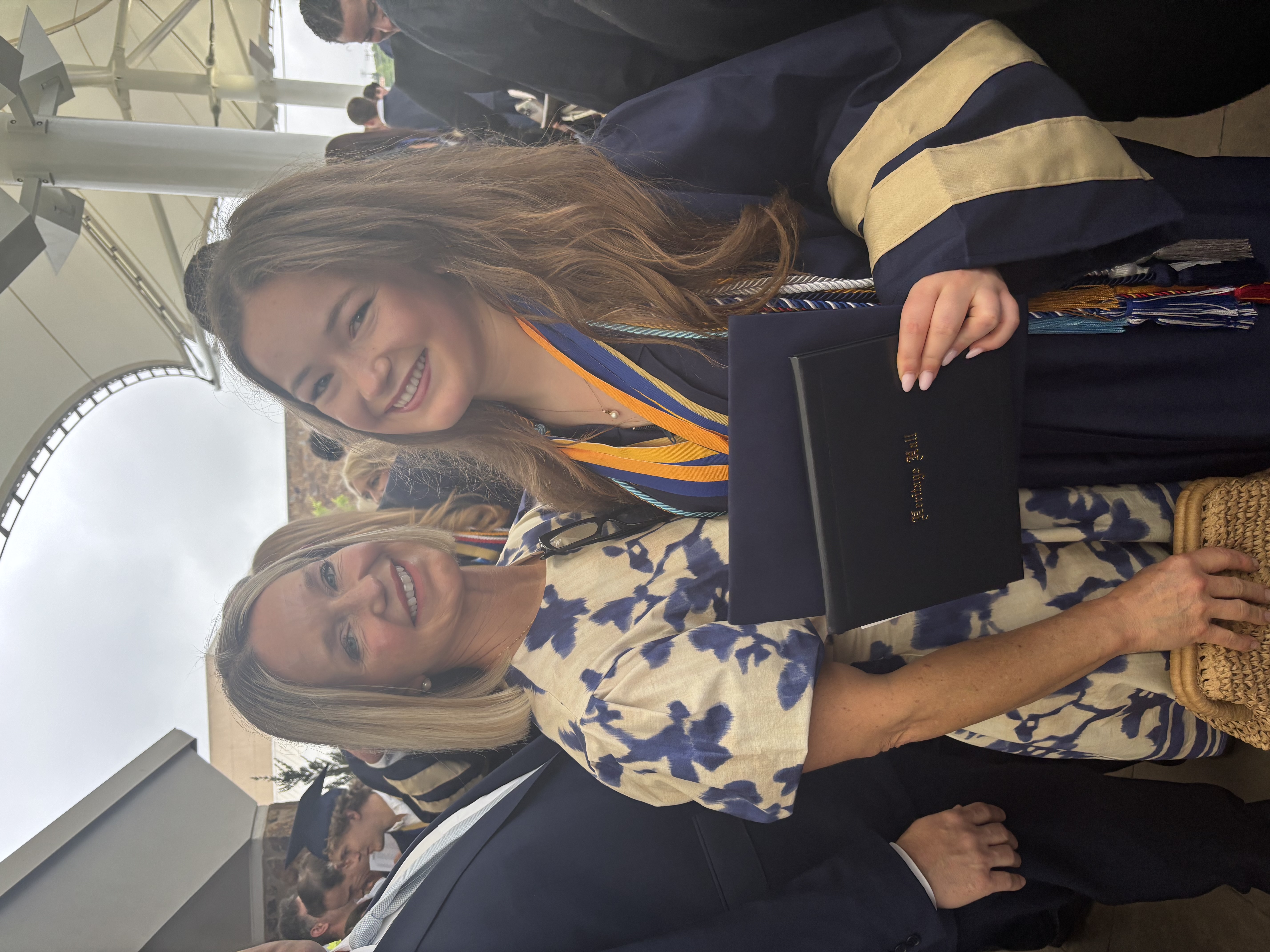
My daughter is heading to UT Austin this fall. And like every parent in the thick of dorm room shopping right now, I've spent time staring at bedding sets and storage cubes and debating whether a mini fridge is worth the shipping cost.
But I'm also a functional nutrition practitioner. Which means I've spent equal time thinking about what her new living environment is actually doing to her body - the air she's breathing, the water she's drinking and showering in, the surfaces she's sleeping on, and the products she's cleaning with.
If I'm being honest, I've also cried more than once while doing this shopping. Sending your child into the world, into a space you can't control, can't clean, can't monitor, is one of the harder parts of parenting. We spend years creating a safe, healthy home environment and then one day we pack them up and hand them over to a 200-square-foot cinder block room with a mattress that's seen better days.
What I've realized is that this list is my way of doing what mothers do: taking care of the things I can still take care of. I can't be there. But I can send her with what I know.
Dorm rooms are small, often poorly ventilated, and built with materials that off-gas. The water running through aging campus pipes can carry chlorine, heavy metals, and microplastics. The mattresses are institutional. The cleaning products most students pack are some of the highest VOC sources available in a consumer product.
None of this is catastrophic on its own. But for a body that's navigating a new environment, disrupted sleep, academic stress, and dining hall food all at once -- the cumulative load matters.
This is what I'm actually sending her with. And why.

1. An Air Purifier
Most people think of air pollution as an outdoor problem. It isn't. Indoor air quality is often significantly worse than outdoor air and in a small dorm room with limited ventilation, what's in the air matters more than most people realize.
Dorm rooms off-gas from furniture, flooring, and building materials through VOCs (volatile organic compounds). Add mold spores from older campus buildings, synthetic fragrance from neighboring rooms, and the general particulate load of shared living, and the air your student is breathing for (hopefully) eight or more hours a night must be considered.
For dorm rooms specifically, you want a unit that is compact, quiet enough to sleep with, and genuinely effective; not a decorative filter that makes the room smell better while doing very little.
What to look for: True HEPA filtration (not "HEPA-type") plus a substantial activated carbon filter. The HEPA captures mold spores and particulates. The activated carbon addresses the chemical compounds, mycotoxins, VOCs, and microbial off-gassing, that HEPA alone cannot capture
Two units worth considering at different price points:
Air Oasis iAdaptAir 2.0 A 5-stage filtration system including H13 HEPA, activated carbon, silver ion, bi-polar ionization, and UV-C light. WiFi enabled with a smart air quality sensor. Available in a small size that covers a dorm room effectively and runs quietly. This is the unit I'd prioritize for anyone with any history of mold sensitivity or respiratory concerns.
Austin Air HealthMate Junior The compact version of the gold standard recommended by environmental illness practitioners. True HEPA plus a substantial activated carbon and zeolite bed; zeolite captures compounds that carbon alone misses. Simple, no-frills, and genuinely effective. A strong option at a slightly lower price point.
Want more detail on air purifiers including what certifications to look for and how to size a unit for a specific room? Reach out and I'll send you my complete air purifier guide.
2. A Water Filter Pitcher
Here is something most people don't think about: your refrigerator filter is not protecting you the way you think it is.
Refrigerator filters, and standard pitcher filters like Brita, are designed primarily to improve taste and reduce chlorine. They do not filter fluoride, heavy metals, PFAS (forever chemicals), agricultural chemicals, or microplastics. For a student drinking, cooking, and making coffee with campus tap water every day, what's in that water adds up.
Dorm water systems carry specific concerns. College buildings use aggressive chlorination to manage high-traffic pipes, and aging infrastructure can leach lead and copper. Microplastics are now consistently detected in municipal water supplies regardless of how clean the source appears.
A high-performance pitcher filter is the most practical solution for a dorm room; no installation required, works anywhere.
Three worth knowing about at different price points:

Clearly Filtered The most rigorously tested pitcher on the market. Targets 365+ contaminants including fluoride, lead, PFAS, arsenic, microplastics, and pharmaceutical residues at up to 99.99% removal. NSF certified, independently lab-tested with published data. Made from medical-grade BPA-free, BPS-free Tritan plastic tested to confirm no estrogenic activity. My top recommendation for anyone prioritizing toxin reduction.
Epic Pure Water Filter Pitcher NSF certified for PFAS, fluoride, lead, microplastics, and heavy metals. Named CNN Best Tested and EWG Best Overall. Made in the USA from the same medical-grade Tritan as Clearly Filtered. Pours faster than Clearly Filtered, which matters for daily student use, and the filter lasts 150 gallons, longer than most competitors.
Therasage TheraH2O Pitcher A personal favorite in my practice. Beyond standard filtration, the TheraH2O uses a 6-stage system with activated carbon, natural gemstones, and infrared frequency technology to filter fluoride, chlorine, heavy metals, VOCs, pesticides, and more, while also alkalizing and remineralizing the water. Filter life of 300-400 gallons makes it one of the lowest-maintenance options available. For those who want filtration alongside a whole-system approach to water quality, this is the one I reach for.
And remember: you are not just drinking your water. You are cooking in it, rinsing your produce in it, and making hot beverages in it. Whatever is in your water is entering your body multiple times a day. A quality filter makes a meaningful difference across all of those touchpoints.
Want a full breakdown of what's in your water and how different filters compare? Reach out and I'll send you my detailed water filter guide.
3. An Organic Mattress Topper
Dorm mattresses are institutional, typically conventional foam or spring with a synthetic cover, and they are almost certainly off-gassing. VOCs from synthetic foam are one of the most significant sources of indoor chemical exposure, particularly in a bedroom where you spend seven to nine hours breathing in close proximity to the surface.
An organic mattress topper creates a meaningful barrier between your student and what the dorm mattress is releasing, while also dramatically improving sleep comfort on what is typically a thin, worn mattress.
What to look for: GOTS (Global Organic Textile Standard) and GOLS (Global Organic Latex Standard) certification confirm at least 95% organic materials and no synthetic additives or chemical flame retardants. GREENGUARD Gold certification independently verifies low VOC emissions. Natural wool is used as a fire barrier in high-quality organic toppers, no chemical flame retardants needed.
All three options below are available in Twin XL.
Avocado Eco Organic Mattress Topper My top pick. The most comprehensively certified organic topper available: GREENGUARD Gold, GOTS, GOLS, OEKO-TEX Standard 100, MADE SAFE, and EWG Verified. No polyurethane foam of any kind. Ships compressed in a box directly to the dorm. Unlike most mattress toppers, it can be slept on the day it arrives. Winner of the Good Housekeeping Best Bedding Award 2026.

Birch Organic Mattress Topper GREENGUARD Gold and GOTS certified with the best warranty in this category at 10 years. GOLS-certified natural latex, organic wool, and organic cotton construction. A strong option for back sleepers and those who want firm support alongside certified organic materials.
Pure Green Natural Latex Topper The most accessible price point among certified options. GOLS-certified latex with an organic cotton cover. Significantly better than any conventional foam topper from a VOC and chemical perspective, and available in 1, 2, and 3-inch thicknesses.
One additional recommendation: pair any topper with an organic cotton or wool mattress encasement placed over the dorm mattress and underneath the topper. This creates a physical barrier between the body and what the dorm mattress is off-gassing. Both Naturepedic and Avocado make GOTS-certified versions in Twin XL.
For a detailed breakdown of certifications, materials, and what to avoid in conventional toppers, reach out and I'll send you my complete mattress topper guide.
4. A Shower Filter
This one surprises most people. We think about filtering the water we drink but rarely consider the water we shower in. The exposure during a shower is not trivial.
Hot water opens pores and converts dissolved chlorine into chloroform gas, which is inhaled directly in the steam. Dorm buildings use aggressive disinfection, often double the chlorine levels of residential water, to manage high-traffic aging pipe systems. Dermal absorption of chlorine and chloramines during a 10-15 minute shower is a meaningful daily toxic input, particularly for anyone with skin conditions, respiratory concerns, or a compromised detox load.
An honest note: shower filters do not remove fluoride or PFAS at shower flow rates. What they address is chlorine, chloramines, disinfection byproducts, and some heavy metals, which is still worth doing.
Weddell Duo Shower Filter Best independently verified performance. In lab testing, the Weddell Duo cut THMs and chloroform to not detected levels. NSF/ANSI 177 certified with dual cartridges and clear housings so you can actually see the filter condition. Lowest ongoing maintenance cost of any tested unit.
Aquasana AQ-4100 NSF certified using coconut carbon and copper-zinc KDF media. Removes over 90% of chlorine confirmed by lab results even after 10,000 gallons; one of the longest-lasting filters tested. Strong choice for anyone who wants VOC reduction alongside chlorine removal.
Therasage Shower Filter Part of Therasage's integrated water filtration ecosystem alongside the TheraH2O pitcher. Consistent with the whole-system water quality approach and a natural complement if your student is already using the TheraH2O pitcher. Easy to install and remove without tools, which is important for renters and dorm residents.

5. Blue Light Blocking Glasses
Sleep is one of the first things to suffer in a college environment. Late-night studying, screens until bedtime, irregular schedules, and the constant stimulation of shared living. Blue light from screens suppresses melatonin production, making it harder to fall asleep and reducing sleep quality even when sleep does happen.
Blue light blocking glasses are a simple, low-barrier intervention that many students find genuinely helpful. The science on their effectiveness is still developing but in practice, these work well, the risk is essentially zero, and if it helps your student sleep better, it is worth the investment.
Lens color matters. Clear lenses block approximately 20-30% of blue light and are fine for daytime screen use. Amber or yellow lenses block 65-90% and are most effective in the evening. Red lenses block nearly 100% but significantly alter color perception and are best for the hour before bed, not for studying.
BON CHARGE Blue Light Glasses One of the most rigorously tested options with published lens data showing 100% blocking across the 400-550nm range in their evening glasses. Available in day and night versions, multiple frame styles, and prescription options. A personal favorite in the functional health community.
Ra Optics Premium lenses with published blocking data and a strong reputation among practitioners and biohackers who take light environment seriously. Day and night lens options available. $65-99 depending on frame style; worth the investment if your student will actually wear them consistently.
Swanwick Night Swannies One of the most established brands in this space with clinically tested lens technology. Available in day and night versions, prescription options, and snap-on fitovers for students who already wear glasses. Also available on Amazon for easy reordering.
Budget option: UVEX Skyper (~$10-15 on Amazon) Not stylish, but genuinely effective amber lens at a fraction of the cost. A practical starting point for students who want to test whether blue light blocking makes a difference before committing to a premium pair.
6. A Non-Toxic Essential Oil Diffuser
A diffuser serves double duty in a dorm room. It supports sleep, stress, and mood while replacing the synthetic fragranced products most students default to.
Here is why that matters: synthetic fragrance is one of the most significant VOC sources in indoor air. Candles, plug-in air fresheners, scented sprays, and synthetic room sprays all off-gas chemical compounds into a small enclosed space. Swapping these for a diffuser with quality therapeutic-grade essential oils removes a daily chemical input while supporting the nervous system and sleep quality at the same time.
A few oils worth including: lavender for sleep and stress, eucalyptus and tea tree for immune and respiratory support, peppermint for focus and energy, and frankincense for its broadly anti-inflammatory properties.
Note: quality matters with essential oils. Look for brands that publish GC/MS testing data confirming purity and potency. Young Living, doTERRA, and Plant Therapy all publish testing data and are widely available.
For diffusers: look for ultrasonic diffusers with BPA-free components. URPOWER, InnoGear, and Vitruvi all offer solid options at varying price points.
7. Non-Toxic Cleaning Products
Conventional cleaning products like disinfectant sprays, bathroom cleaners, all-purpose sprays, are among the highest VOC sources in a small indoor space. In a dorm room, those VOCs have nowhere to go.
The easiest place to start costs almost nothing:
DIY spray bottle: Fill a spray bottle with equal parts water and white distilled vinegar. Add 10-15 drops of tea tree oil for antimicrobial action. This combination handles countertops, mirrors, hard floors, and most general surfaces without any synthetic chemicals or fragrance. Baking soda covers scrubbing and deodorizing. These two ingredients handle the vast majority of what a college student needs.
When a ready-made product makes more sense:
Branch Basics The best non-toxic cleaning system available. One concentrated formula makes everything: all-purpose spray, bathroom cleaner, laundry detergent, dish soap, and more. No fragrance, no hormone-disrupting surfactants, fully transparent ingredient list. A starter kit is one of the most practical and thoughtful things you can send a student with.
Seventh Generation Available at Target, Walmart, and most grocery stores, which matters for a student who needs to restock without ordering online. Plant-based, fragrance-free options across the product line. Not quite as clean as Branch Basics but significantly better than conventional cleaners and genuinely accessible everywhere.
ECOS Also widely available at Target, Costco, and online. EPA Safer Choice certified, plant-derived, affordable, and available in fragrance-free formulas. A solid grab-it-anywhere option.
One important note: the single most impactful cleaning swap in a small enclosed space is eliminating synthetic fragrance entirely. Scented candles, plug-in air fresheners, and fragranced sprays are among the highest VOC sources in indoor air. Encourage your student to leave these at home.
Putting It All Together
None of this has to happen all at once. If I had to pick a starting order, I’d choose air purifier and then water filter, hands down.
The cleaning product swap costs almost nothing and has an immediate impact on daily chemical load. The blue light glasses are low cost and worth experimenting with for any student struggling with sleep.
The goal is not perfection. It is creating an environment where your student's body is not spending extra energy managing a burden it doesn't need to carry, so it can spend that energy on learning, growing, and actually thriving.
If you have questions about any of these products, want more detailed information on a specific category, or want to talk through what makes the most sense for your student's specific health picture, reach out. I am happy to share the detailed guides I've put together on each of these categories - just ask.
Nicole Flynn is a Functional Nutrition Practitioner and Restorative Health Practitioner specializing in root-cause health for women and children. She works virtually with clients navigating chronic digestive symptoms, autoimmune conditions, hormonal imbalance, and environmental illness. Learn more at nicoleflynnnutrition.com or book a free Clarity Call to talk through your health picture.
Disclosure: This post contains affiliate links. I only recommend products I genuinely use or would recommend to my own clients and family. If you purchase through my Therasage link, I may earn a small commission at no additional cost to you.